Field notes: the foreman who redrew his own route
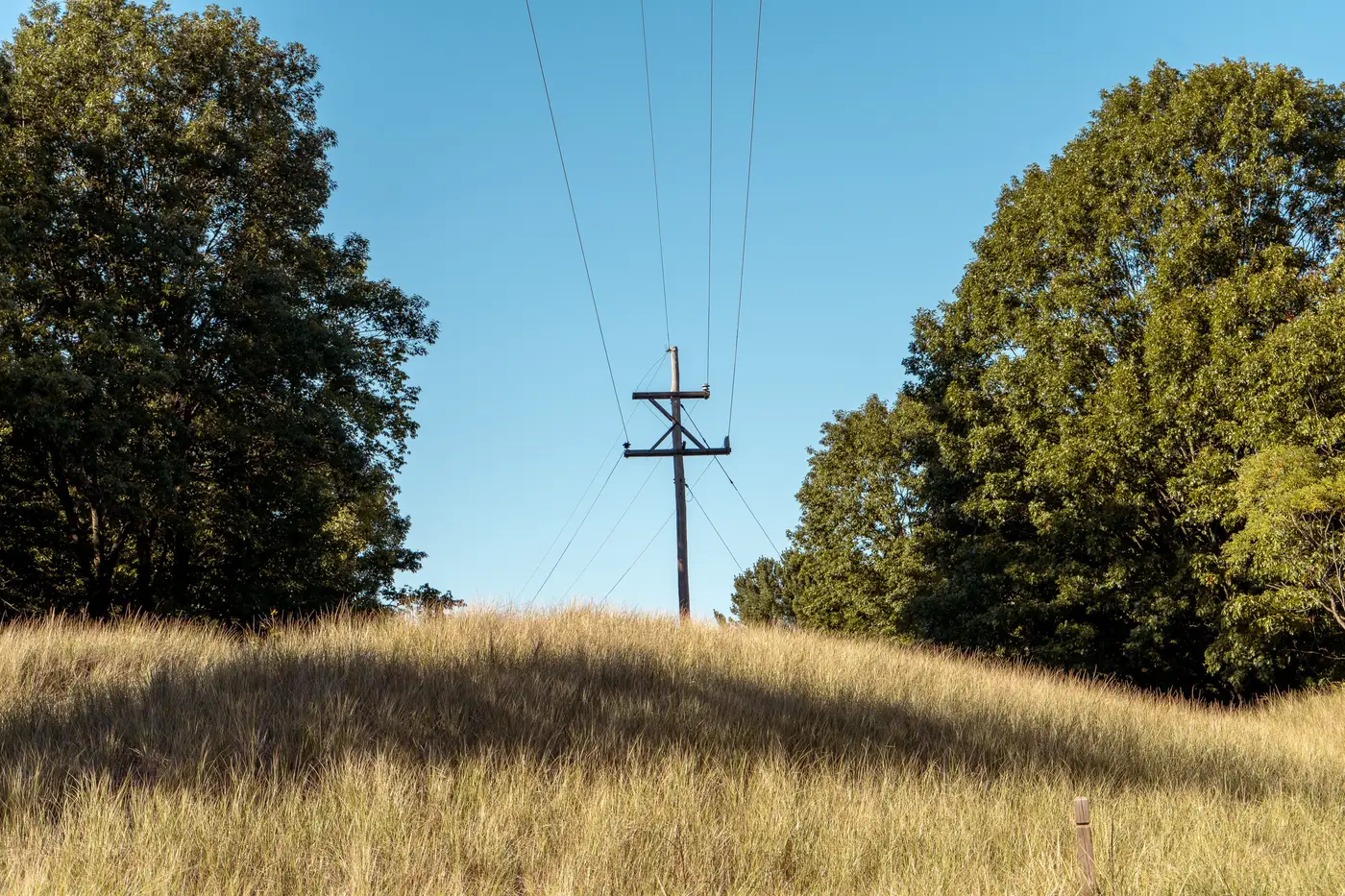
A foreman I know runs a four-man crew on a circuit that's been on a five-year cyclical cut since before he started. He knows that circuit the way you know a drive you've done a thousand times. He can tell you which spans have the walnut that grows back fast, which landowner won't return calls, which pull-off has room for the bucket truck and which doesn't. None of that is written down anywhere. It's in his head, and it's in the order he's always run the route.
So when his supervisor handed him a ranked worklist keyed to the circuit's span IDs, the first thing he did wasn't trim anything. He printed it out and drove the route against it, span by span, arguing with the sheet out loud.
Some of it confirmed what he already knew. The spans near the river crossing that always grow fast were near the top, same as every cycle. Fine. But a run of spans on the back half of the circuit, the ones he'd scheduled for year four almost out of habit because they'd always been low-growth, showed up mid-list.
He pulled off and walked one. A line of oak had put on more canopy than he'd expected, and it was sitting closer to the conductor than the drive-by glance from two years back had suggested. Nothing dramatic. Just closer than the old schedule assumed.
And a stretch he'd always treated as a priority, because it ran through a stand of fast-growing poplar that used to be a problem, wasn't on the list at all. He'd trimmed that stretch hard three cycles running out of habit more than need. The canopy there had been cut back enough that it wasn't close to threatening fall-in anymore. It just looked like it should be trimmed, because it always had been.
The spans it let him skip changed his route more than the spans it added.
He redrew the week's plan that afternoon, moved two crew-days off the poplar stretch and onto the oak run near the back, and told his supervisor the schedule had changed. Nobody above him argued, because the reasoning was right there on the sheet: canopy height, distance to conductor, span by span. He was pointing at the data that said the cycle was spending crew-days in the wrong place, and that was his case for changing it.
What struck me about the story was how he used the list more than the list itself. Ranked worklists aren't new. He treated this one as a second opinion from someone who'd flown the whole circuit that same week, something no walking inspection or windshield survey can really do at that scale. He checked it against twenty years of his own judgment, kept the parts that matched, and let it overrule the parts that were just habit.
That's probably the honest version of how ranked worklist adoption goes on a real crew. A foreman gets a second set of eyes on spans he hadn't looked at closely in a while, and sees the crew-days he was spending on spans that didn't need them anymore. If your own cyclical schedule is still built mostly on which spans have always been trouble, the span-by-span scoring behind that kind of worklist is worth a look before next year's route gets drawn the same way it was last year.
If a worklist like that would change how your crews get routed this cycle, it's worth seeing what one looks like for your own span IDs.