Blog
- 2026-11-16
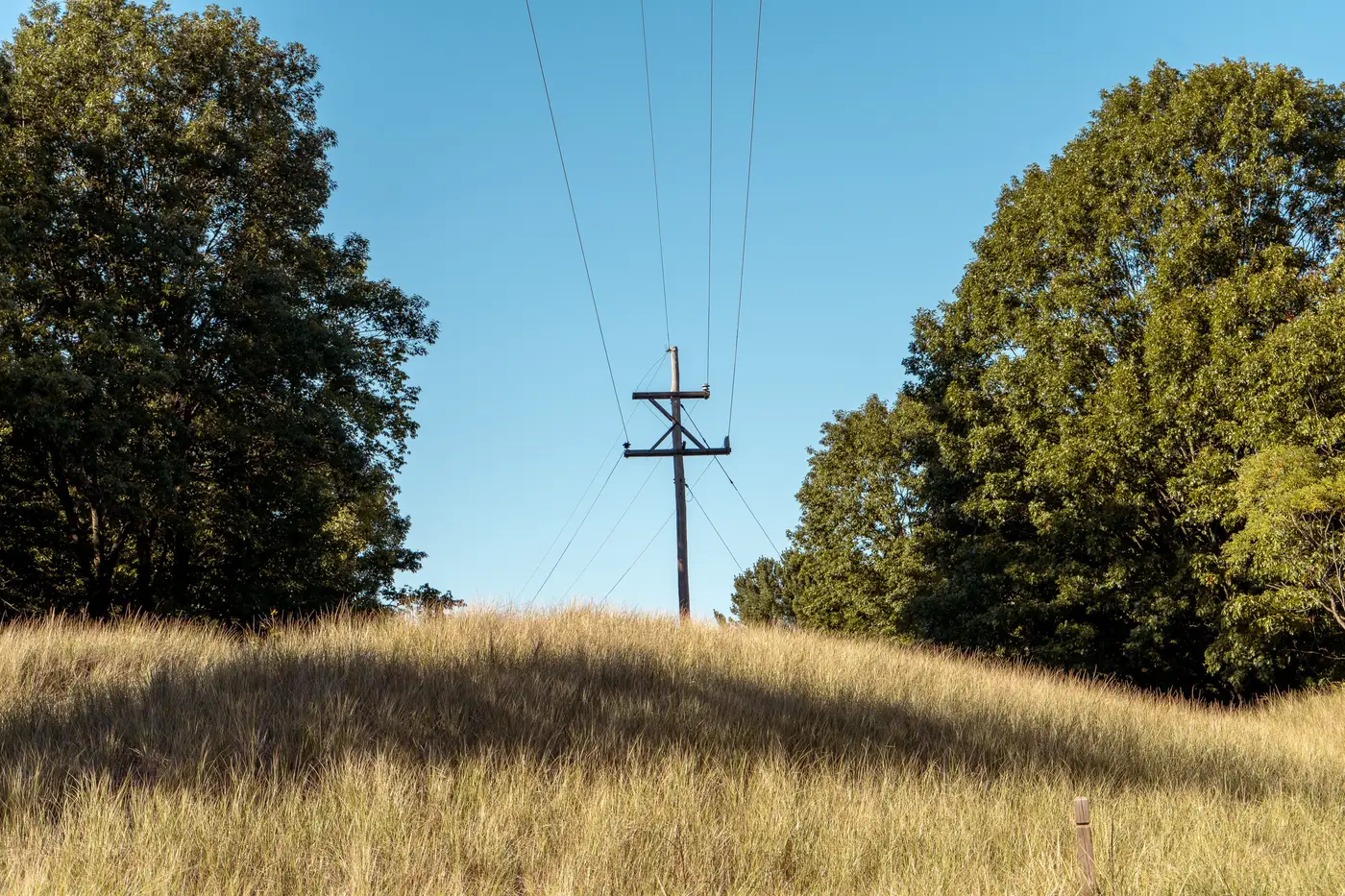 Field notes: the foreman who redrew his own route
A foreman's cyclical trim route meets a ranked worklist for the first time. What he kept, what he cut, and why.
- 2026-11-16
 What a go-back trim costs in vegetation management
A go-back trim means sending a crew back to a span they already worked. Here's why it costs more than the first pass and how to cut the number of them.
- 2026-11-09
 Landowner permission for off-easement danger tree removal
How to document and request permission before a crew removes a danger tree sitting outside the right-of-way, and why legacy easements make this common.
- 2026-11-09
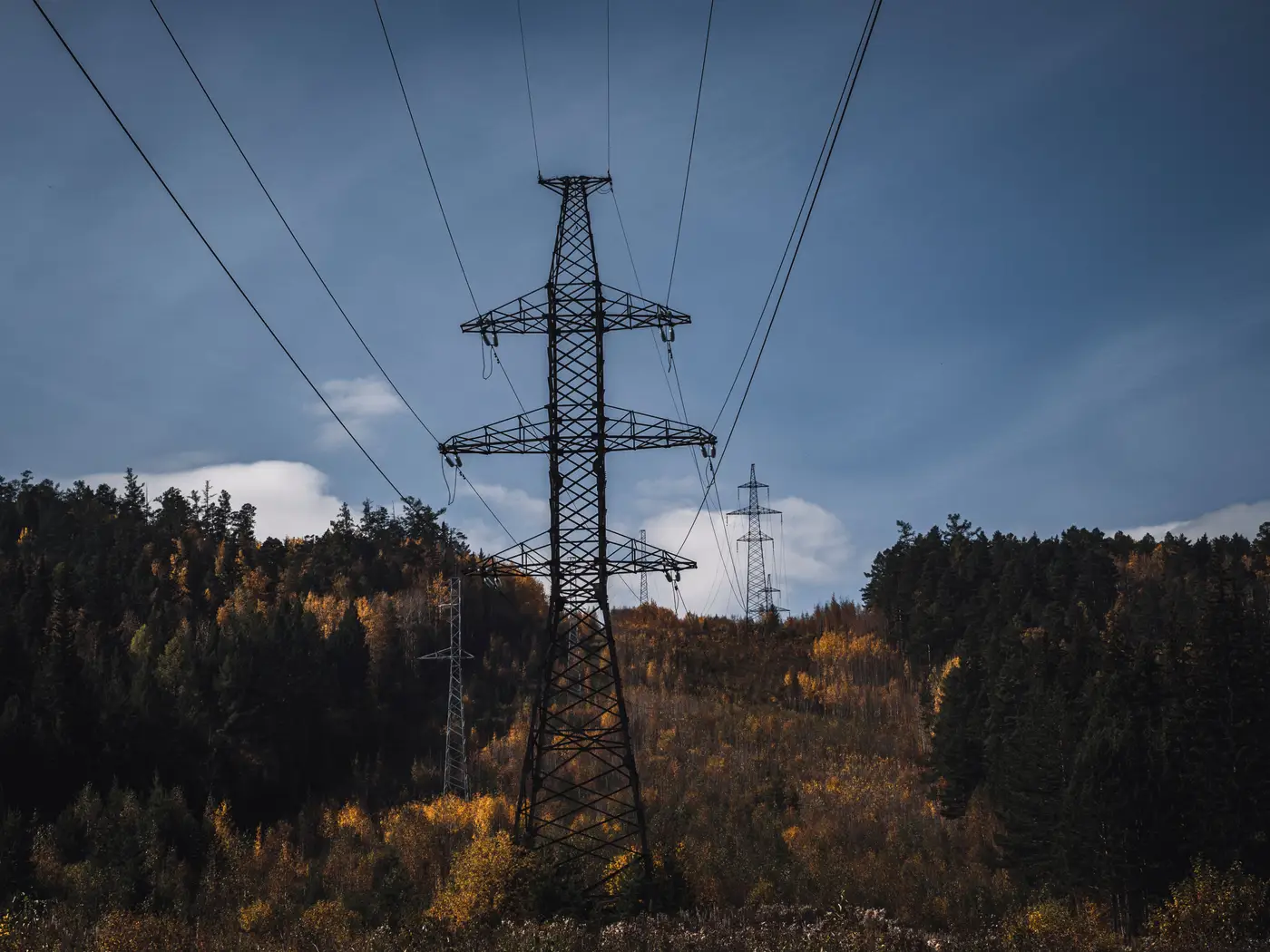 What is a hot-spot patrol, and how does it differ from a full trim cycle?
A hot-spot patrol is a targeted check between cyclical trim rounds. Here's what it covers, what it skips, and when to call one.
- 2026-11-02
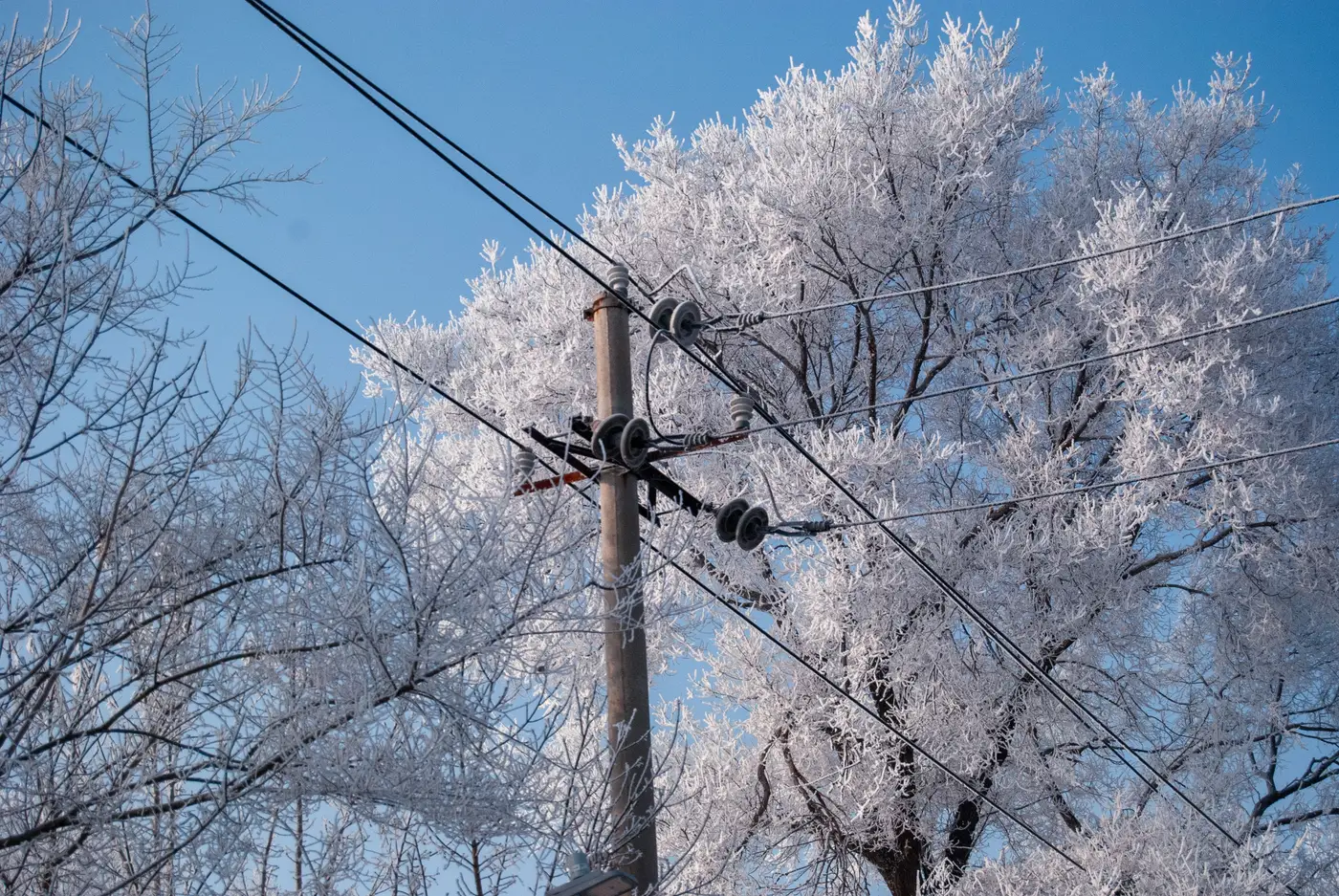 Field notes: the week an ice storm proved the worklist right
A vegetation management lead walks a storm-damaged circuit and checks the ranked worklist against where the trees actually came down.
- 2026-11-02What is a legacy easement, and why the width doesn't match today's clearance needs
Legacy easement grants set right-of-way width decades ago. Here's why that width often falls short of what conductors need cleared today.
- 2026-10-26How to turn a ranked vegetation worklist into a crew-day estimate
A practical method for converting a ranked trim worklist into crew-days, by severity tier and crew type, so staffing calls hold up.
- 2026-10-26What is a growth cycle factor in utility vegetation management?
A plain explanation of growth cycle factor in UVM: how species growth rate and clearance targets set trim interval, and where that math breaks down.
- 2026-10-19The span that scored clean for three years, then didn't
A span that stayed clean for three flyovers in a row, then crossed threshold in the fourth. What that says about growth-rate assumptions between cycles.
- 2026-10-19Overhang vs. side growth: two different encroachment risks
Overhang and side growth threaten a span differently. How crews tell them apart, and why the distinction changes what gets trimmed first.
- 2026-10-14LiDAR vs satellite imagery for vegetation encroachment surveys
LiDAR clearance surveys and annual VHR satellite canopy height answer different questions. Here's which to use for span-level trim planning.
- 2026-10-14What is a vegetation-caused outage, and why does it get its own cause code?
Why vegetation-caused outages get a separate cause code, how they roll into SAIDI, and what that means for how trim crews get dispatched.
- 2026-10-13Cyclical trimming vs. condition-based vegetation management: what changes on the ground
How fixed trim cycles compare to condition-based vegetation management, and what it means for trim cycle length and your circuit-wide trimming budget.
- 2026-10-13
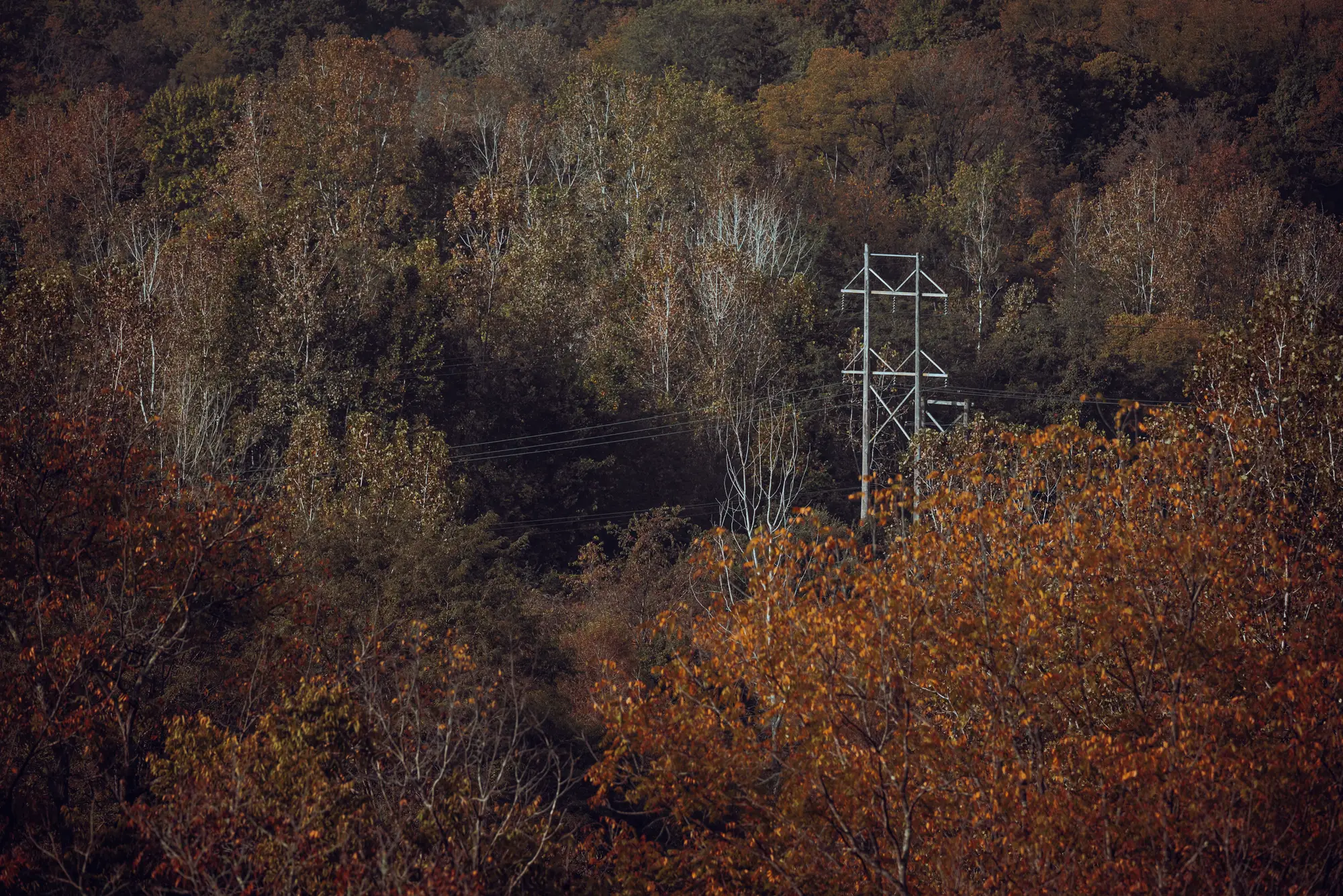 What is minimum vegetation clearance distance (MVCD) in utility vegetation management?
MVCD explained in plain terms: what sets the number, how it differs from wire-to-canopy clearance, and why spacing on paper isn't spacing in the field.
- 2026-10-07Danger tree vs hazard tree: what the difference means off-ROW
Danger tree and hazard tree aren't the same thing, and the difference decides who can cut what off your right-of-way. Here's how utilities tell them apart.
- 2026-10-07Grow-in vs fall-in: how to classify vegetation risk on a distribution circuit
Grow-in and fall-in are different risk mechanisms on a distribution circuit. Here's how to tell them apart and classify each span correctly.
- 2026-10-07How to prioritize circuit miles when the trim budget won't cover the whole system
A practical way to rank circuit miles for trimming when the O&M budget can't cover the full cycle this year.
- 2026-10-07How to read NERC FAC-003 clearance requirements
How NERC FAC-003 defines minimum vegetation clearance distance, what Table 2 does and doesn't tell you, and how to turn it into a trim worklist.