What a go-back trim costs in vegetation management
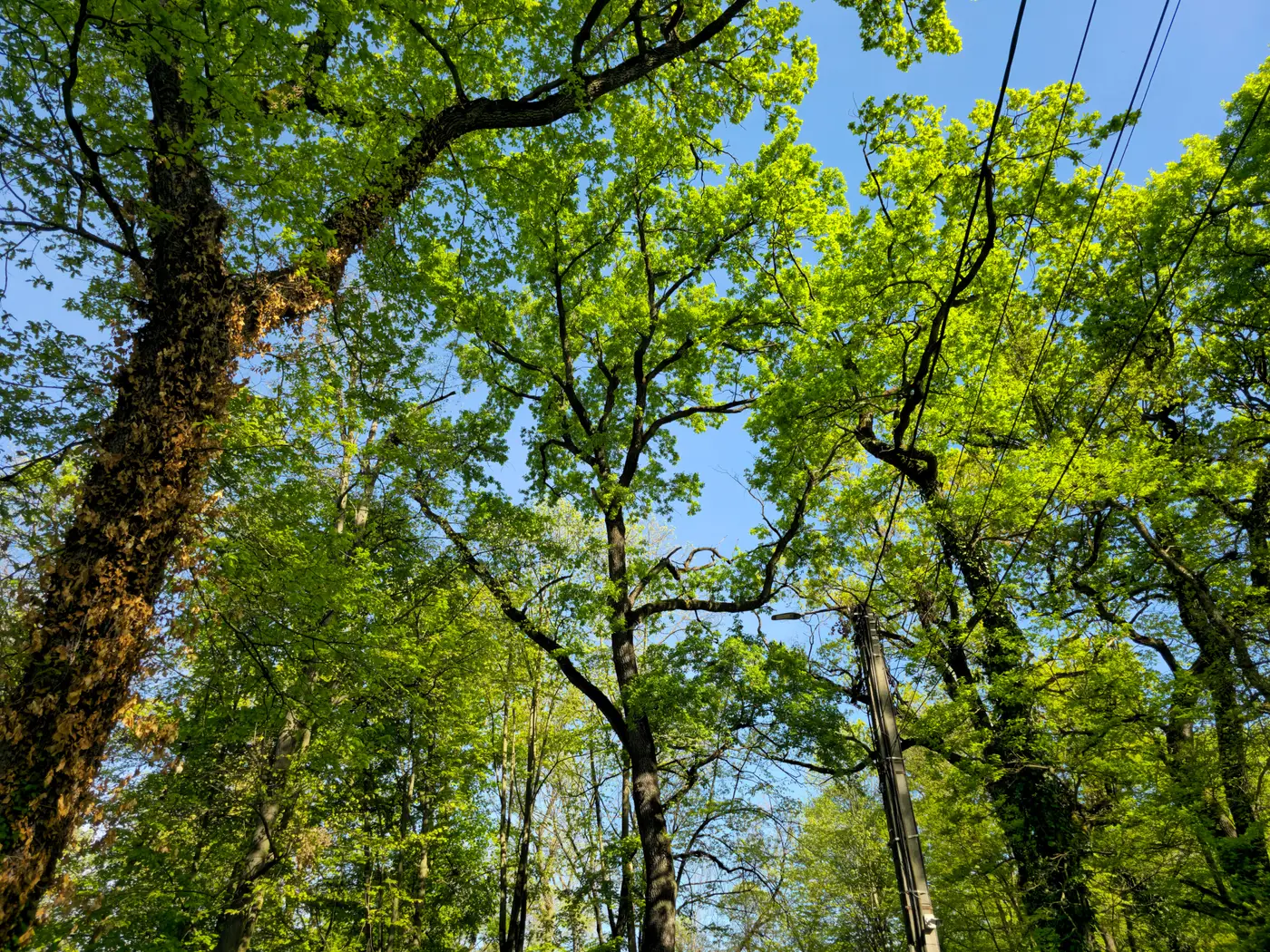
A go-back is any trim crew callback to a span that was already supposed to be cleared. The crew shows up, cuts what's in front of them, moves on, and three weeks or three months later someone flags the same span again because growth kept going, a limb got missed on the far side of the pole, or the original scope didn't cover what was threatening the conductor. Now a crew has to go back out.
Anyone running a vegetation management program already knows the term. Anyone new to it usually learns it the expensive way, after the first round of callbacks shows up on the budget line next to "re-dispatch."
Why a go-back costs more than the original trim
The cut itself is rarely the expensive part. It's everything around it.
A go-back means remobilizing a crew and equipment to a span that's already been visited once this cycle. That's drive time, that's a bucket truck or climbing crew pulled off a span that needs first-pass work, and that's a foreman re-scoping a job from scratch because nobody wrote down exactly what was left standing the first time. If the original trim missed a hazard tree instead of just a limb, a go-back can also mean a different crew type entirely, since a routine clearing crew and a hazard-tree removal crew aren't interchangeable.
Then there's the paperwork. Most utilities track go-backs as a program metric because they're a proxy for first-pass quality. A high go-back rate on a circuit tells an auditor, a regulator, or your own ops manager that the original work order didn't match what was growing in that right-of-way. That's a harder conversation than "the crew was ten minutes late."
And none of that counts the span that gets missed entirely rather than re-flagged. A go-back is at least a known problem. The spans nobody catches until a limb falls in a storm are the ones that actually cost money.
Where go-backs usually come from
Three things drive most of them, and none are the crew's fault in the way the paperwork implies.
The first is scope built on old information. A cyclical trim schedule written a year or two out doesn't know that one particular span had a wet spring and grew four feet more than its neighbors. The crew trims to a schedule that was already out of date, and the growth beyond it goes unaddressed until someone flags it again.
The second is incomplete visibility on the ground. A crew working a span from the access road sees the near side of the right-of-way clearly and the far side a lot less clearly. Encroachment on the back side of a pole, or growth under a crossing line from an adjacent property, gets missed because nobody had a reason to walk the whole span.
The third is a worklist that treats every span on the circuit the same. If the dispatch sheet just says "trim circuit 14, mile markers 20 through 35," crews are working a route, not a risk list. The spans with real canopy encroachment on the conductor and the spans that are nowhere close to a problem get the same attention, which means the close calls are the ones most likely to come back as a go-back.
Cutting the callback rate without adding more drive time
Trimming the right spans the first time means knowing before the crew rolls which spans have canopy close enough to the conductor to matter this cycle, instead of working down a route sheet written two years ago.
Powerline Vegetation Monitoring scores every span on a circuit from annual imagery, segmented canopy height measured against conductor position, so a go-back-prone span, overgrown corridor, or fast-regrowth stretch shows up on the ranked worklist before the crew is dispatched instead of after a callback. Crews get a scope keyed to their own span IDs, built from what's encroaching on that span this year, instead of a generic cyclical rotation.
A go-back is a sign the first trim didn't match the ground truth. Get the worklist closer to the truth and there's less of it to go back for. If that's a problem on your circuit, take a look at what a ranked worklist from imagery would catch before the next dispatch.