What is a vegetation-caused outage, and why does it get its own cause code?
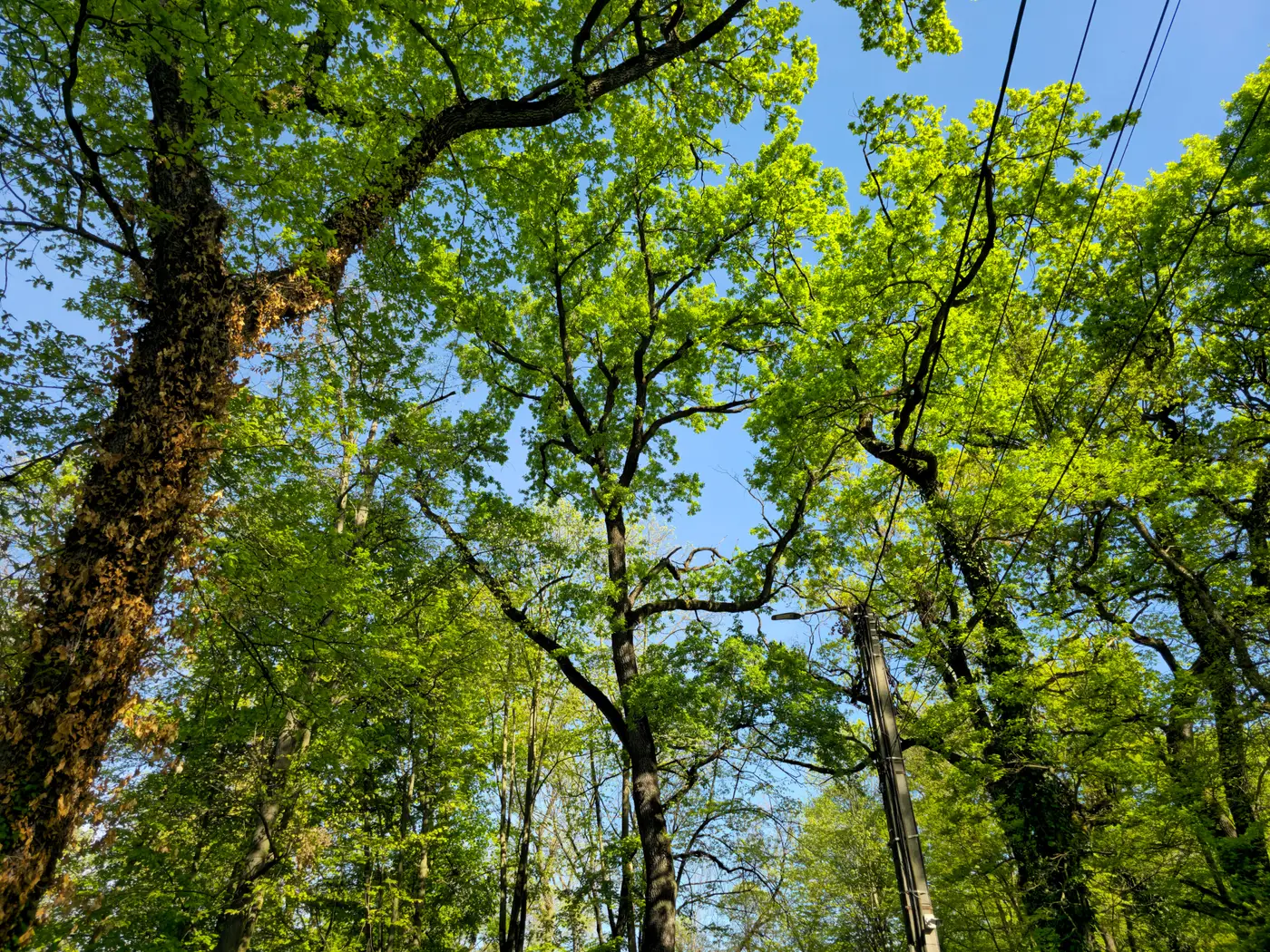
A vegetation-caused outage is any fault, momentary or sustained, where the root cause traces back to a tree or branch making contact with a conductor, or growing into the minimum clearance zone until arcing occurs. That's distinct from a tree falling on a pole from a storm, which most utilities code separately as weather-related even though a tree is still involved. The distinction matters more than it sounds like it should, because it drives where the money goes.
Why vegetation gets its own cause code
Outage reporting systems break causes into categories: equipment failure, animal contact, weather, dig-ins, vegetation, and a few catch-alls depending on the utility. Vegetation gets pulled out on its own instead of folding into "environmental" or "other" for a simple reason: it's the one cause category a utility can act on before the fault happens.
You can't trim your way out of a lightning strike. You can trim your way out of a grow-in. So when a line crew or an outage management system logs a fault as vegetation-caused, that code isn't just for the regulatory filing. It feeds straight back into where the vegetation management budget goes next cycle, which circuits get flagged for off-cycle trims, and which spans show up on an auditor's list when PUC staff ask why a circuit's SAIDI numbers didn't improve.
There's a real cost to getting the code wrong, too. A fault that started as a grow-in but gets logged as "unknown" or "equipment" quietly removes that span from next year's priority list. Multiply that across a few hundred miles of circuit and you get a vegetation program that looks like it's working because the reported cause codes say so, while the real encroachment keeps building toward the next storm season.
How vegetation shows up in SAIDI
SAIDI, the System Average Interruption Duration Index, measures total customer-minutes of outage divided by total customers served. Vegetation-caused interruptions tend to run longer than equipment or animal-contact faults because a downed or leaning tree limb often takes the pole, the crossarm, or the conductor itself with it, not just a fuse or a recloser operation. That makes vegetation punch above its weight in SAIDI even on circuits where it's not the most frequent cause code.
Regulators look at SAIDI by cause category when they review a utility's vegetation management spend, which is exactly why the cause code has to be accurate in the first place. A circuit with a high vegetation-caused SAIDI contribution and a cyclical trim program that hasn't touched it in three years is the kind of pairing a commission staffer circles in red.
What this means for crew dispatch
Most vegetation programs still run on a cyclical schedule: trim every circuit on a three- or five-year rotation regardless of what's growing underneath the wire. Cause codes and SAIDI contribution tell you after the fact which spans caused outages. They don't tell you which spans are about to.
That's the gap between reporting and directing work. A ranked worklist built from canopy height and proximity to conductors, checked annually against your own span IDs, tells a crew lead which sections of a circuit have grown past clearance this year. Crews work that list first, hitting the spans where encroachment has closed the gap rather than touring the whole circuit on a fixed rotation. That's the model behind Powerline Vegetation Monitoring, which scores every span on a circuit from imagery so crews work the list that reflects current growth instead of last year's incident report.
If your trim crews are still working a blanket cycle while your cause codes keep flagging the same circuits, it might be worth seeing what a span-by-span encroachment score looks like for your own system.