Field notes: the week an ice storm proved the worklist right
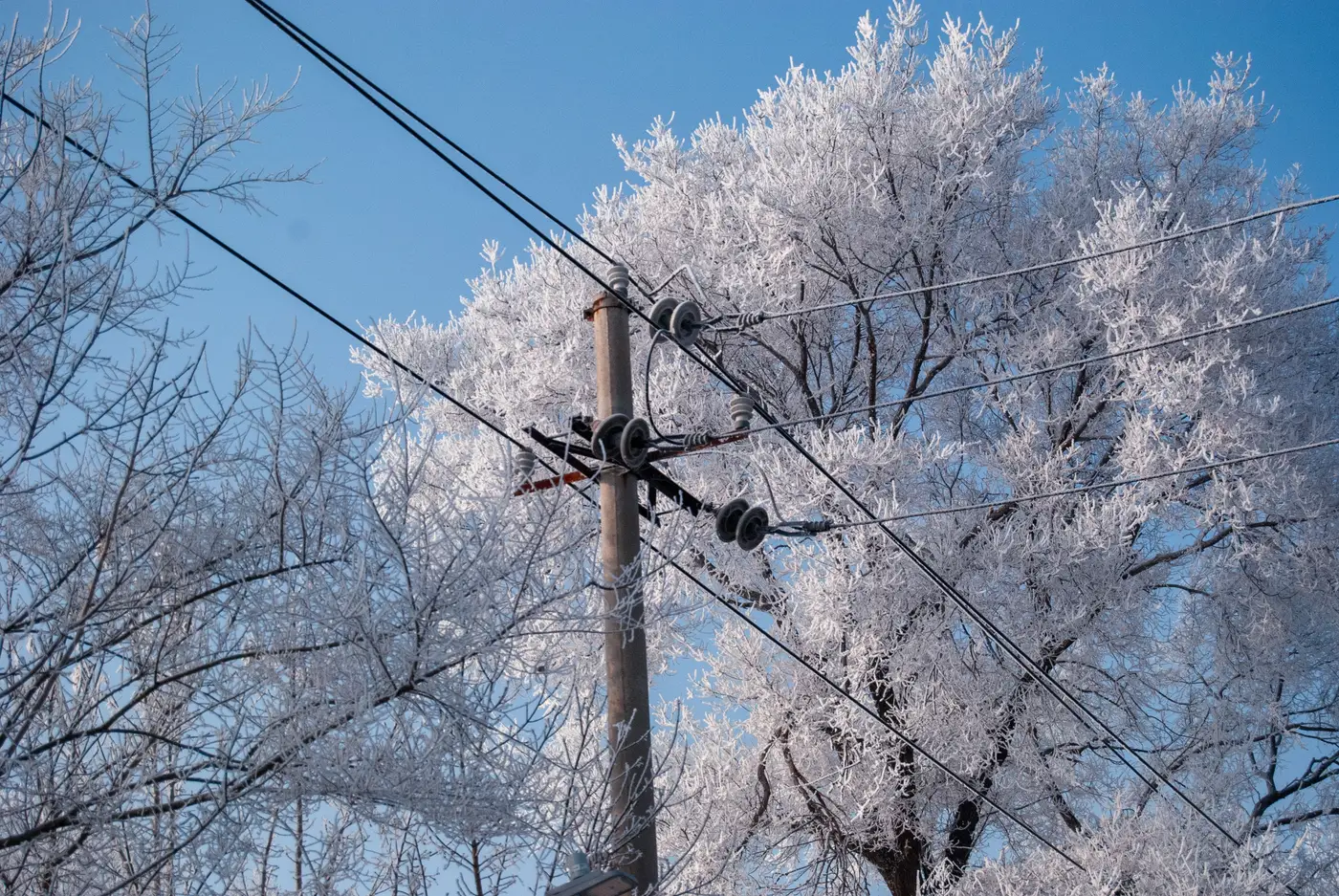
The ice started around 2 a.m. on a Tuesday and didn't let up until Thursday afternoon. By the time the sleet turned back to rain, we had eleven spans down on one circuit alone, mostly hardwood limbs that gave up under a quarter inch of glaze they'd carried fine the winter before. The outage map looked like buckshot.
What I wanted to know, once the lockouts cleared and the bucket trucks went home, wasn't how bad it got. It was whether we'd been looking in the right places beforehand.
We'd pulled a ranked span list off the circuit back in March, canopy height and conductor proximity scored out for every segment, sorted so the worst offenders sat at the top instead of buried in a binder organized by maintenance zone. A few spans on that list had been flagged for trim work that hadn't happened yet, budget cycle being what it is, a four-month lag between "do this" and a crew on the pole.
So the post-storm circuit walk became something more useful than a damage count. I had the worklist printed out, folded in a jacket pocket that got soaked through by noon, and I checked it span by span against what the ground crew was radioing in.
Nine of the eleven failures were on spans that had scored in the top tier. Not adjacent to them, not somewhere in the same general stretch of right-of-way. The actual span IDs. A black walnut with heavy lean over the primary that had been sitting at the top of the queue since the spring assessment came down exactly where you'd expect, taking the shield wire with it. Two co-dominant oaks a quarter mile down scored nearly as high and split clean down the union, both halves landing inside the easement instead of on the conductor, which is the kind of near miss that doesn't show up in an outage report but should show up in a lesson learned.
The other two failures were spans that hadn't ranked high at all. Smaller diameter stuff, healthy-looking crowns, nothing that proximity-to-conductor scoring would have caught because the canopy wasn't close enough to flag. Ice doesn't care about your trim thresholds. A limb that's eight feet clear in October can sag into clearance once it's carrying its own weight in glaze, and that's a physics problem no annual imagery pass is built to predict.
Worth saying plainly, because it would be easy to oversell what a ranked list does. It tells you where the standing risk already is. It doesn't forecast ice loading on a given Tuesday.
Still, nine out of eleven is the number that matters for how we plan next year. It means the worklist wasn't a guess dressed up as data. It means the spans that budget pushed to next quarter were, in fact, the ones that mattered, and the storm just moved up the timeline on work we already knew needed doing. That's a different conversation with the finance side than "we got unlucky." It's closer to "we were right and underfunded," which is a much easier case to make for next year's trim budget.
If you're the one walking the circuit after the next storm with a damage list in one hand and last year's assessment in the other, it's worth having something better than a cyclical trim schedule to check it against. Powerline Vegetation Monitoring builds that ranked list from canopy height and conductor proximity for every span on the circuit, so the comparison is less about hindsight and more about whether the crews got there in time.
Get the next assessment built before the next storm decides which spans mattered most.