What is a hot-spot patrol, and how does it differ from a full trim cycle?
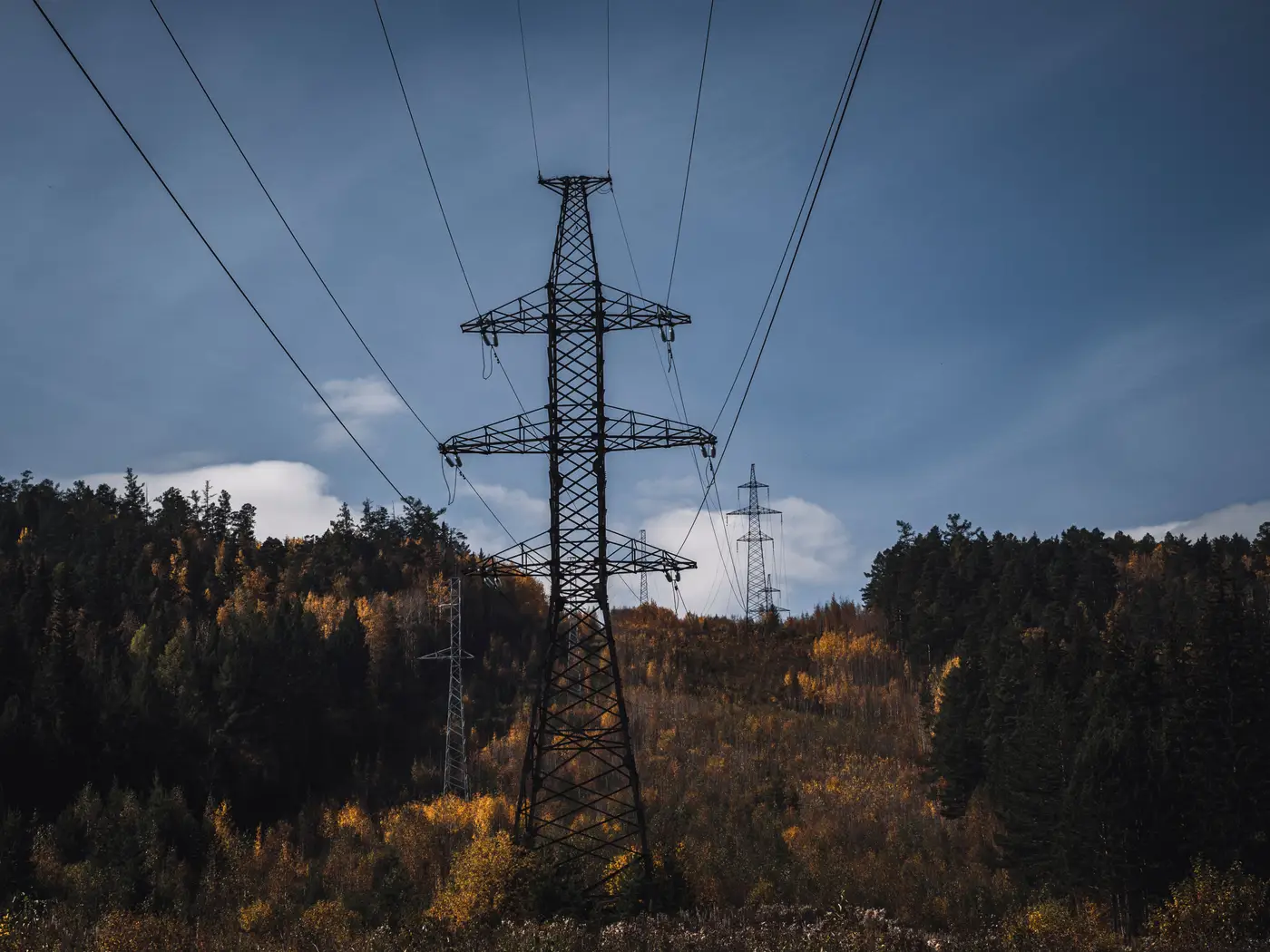
A full trim cycle walks the whole circuit, span by span, on a schedule your utility has probably run for years. Three years, four years, five, whatever the vegetation management plan says. A hot-spot patrol is the opposite kind of work. It's a narrow pass through a short list of spans that somebody has reason to worry about before the next scheduled round comes around.
The term shows up a lot in vegetation management plans and contractor scopes, but crews new to the work (and some program managers, honestly) mix it up with a general inspection or a storm-damage sweep. It's neither. Here's the distinction and when each one gets called.
What a hot-spot patrol covers
A hot-spot patrol targets spans flagged for a specific reason: a landowner complaint, an outage with a vegetation-related cause code, a fast-growing species in that right-of-way, or a span that scored high on growth rate during the last full-circuit assessment. The patrol goes to those spans and only those spans. A crew (or a single arborist, depending on how your contractor scopes it) drives or walks in, looks at clearance against the conductor, and either clears it, flags it for a trim crew, or closes it out as fine.
It's fast because it's small. A patrol list might run ten spans or two hundred, but it's never "the circuit." That's what separates it from re-walking the whole line, which is what a full trim cycle does regardless of individual span condition.
Patrols also tend to run on no fixed calendar. They get triggered by something: a complaint line, a reliability report, a fast-growth species flagged in last year's canopy data. A full trim cycle runs on the calendar whether or not any particular span needs it that year.
How a full trim cycle is different
A full trim cycle covers every span on the circuit on a set interval, because the utility's vegetation management plan says so, often tied to a regulatory filing or a reliability standard. It doesn't ask whether span 4-112 grew two feet of lateral branch this year or stayed exactly where it was. It shows up, clears what needs clearing, and moves to the next circuit on the rotation.
That's by design. A fixed cycle is predictable for budgeting and defensible for compliance. But it means a span with aggressive growth sits untouched for the same interval as a span that barely changed, right up until its number comes up. If growth outpaces the cycle length anywhere on the circuit, something falls into the line before the scheduled crew gets there.
A hot-spot patrol is interim inspection between cyclical rounds. It doesn't replace the cycle. It catches the spans that can't wait for it.
Why the distinction matters for dispatch
The practical difference comes down to how you build the worklist. A full trim cycle's worklist is the whole circuit map, more or less, split into however many crew-weeks it takes. A hot-spot patrol's worklist is a handful of span IDs pulled from whatever triggered the patrol in the first place: a complaint, a fault report, last year's growth numbers.
That second kind of worklist, built from span-by-span condition instead of a blanket schedule, is what people mean by condition-based dispatch. A crew gets sent because a specific span crossed a clearance threshold, and the data says it needs attention now rather than in eighteen months.
The catch is that condition-based dispatch only works if you actually know which spans crossed the threshold. Complaint logs and outage reports catch some of it. They don't catch the span nobody's complained about yet because the branch hasn't fallen in, only grown close. Powerline Vegetation Monitoring scores every span on the circuit annually from canopy height and conductor proximity, so a targeted vegetation patrol has an actual ranked list to work from instead of a guess built on last quarter's complaint tickets.
If your crews are still patrolling off complaint logs and gut feel, this ranked, span-level worklist is worth a look before your next interim round.